


id888 | The Evolution and Appeal of Strategy Games in Modern Gaming Culture
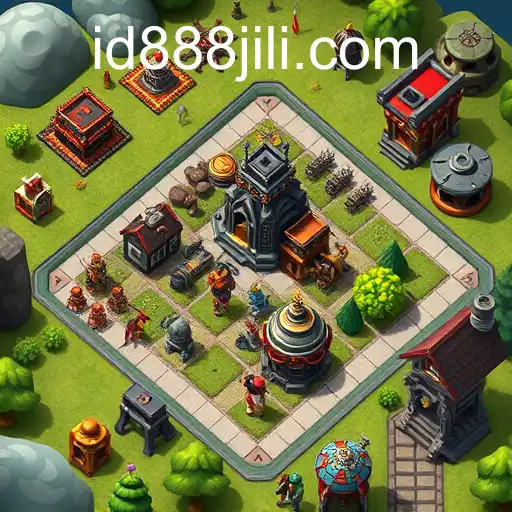
The Evolution and Appeal of Strategy Games in Modern Gaming Culture Over the past few decades, strategy games have emerged as a popular genre that captivates both casual and hardcore gamers alike. These games, which demand critical thinking, tactical planning, and clever resource management, have secured a unique position in the gaming industry. The category of strategy games has flourished on various gaming platforms, proving to be as diverse as it is expansive. History of Strategy Games Strategy games have been around since the early days of computer gaming. Games like 'Civilization' and 'StarCraft' set the groundwork for what would become an ever-growing genre. Each of these games delivered complex mechanics and engaging storylines that encouraged players to think several moves ahead of their opponents. This requirement for strategic foresight is what set these games apart from more action-oriented genres. Rise of Online Strategy Games With the advent of the internet, strategy games transitioned into the online world. Multiplayer games like 'Warcraft' and 'League of Legends' have enormous followings and have become a staple of eSports tournaments worldwide. They offer players the opportunity to test their skills against others in real-time, adding a competitive edge that elevates the experience. The introduction of online elements also allows developers to create expansive worlds and communities, enriching the gaming experience. Mobile Strategy Games In recent years, the rise of mobile technology has democratized access to strategy games, making them available to a broader audience. Games like 'Clash of Clans' and 'Plants vs. Zombies' have become household names, known for their accessibility and addictive gameplay. These games often feature shorter play sessions, perfect for gaming on the go, without sacrificing the depth and complexity that strategy aficionados crave. The Intellectual Draw For many players, the appeal of strategy games lies in their intellectual challenge. They require careful planning, resource management, and adaptability in the face of random in-game events or player actions. This blend of cognitive challenges and creative solutions makes strategy games particularly fulfilling. Players are rewarded for their strategic foresight and analytical skills, which keeps them coming back for more. Conclusion In the expanding universe of digital entertainment, strategy games hold a venerable place, offering an engaging blend of critical thinking and complex gameplay. As technology continues to develop, the possibilities for innovation in this genre are nearly limitless. Whether played on a console, PC, or a smartphone, strategy games continue to offer players of all ages and skill levels a chance to expand their minds while enjoying immersive and competitive experiences.
